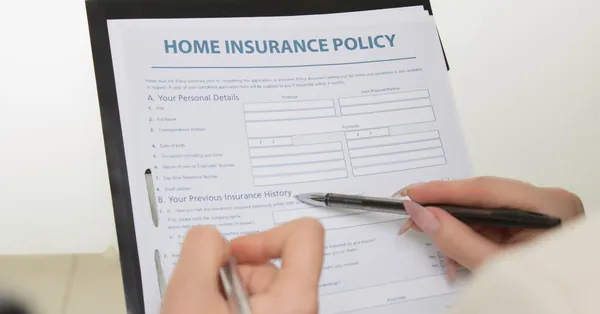


The BOP application is more than just a form — it's a conversation with underwriters.
If you're buying a Business Owner's Policy (BOP) online, you may have noticed that the application asks for more than just your address and business type. Every question is there for a reason, and the way you answer can impact your quote and coverage. This article walks you through what the application asks — and why it matters.
Whether you're starting your quote from scratch or comparing different policies, the application is designed to help underwriters understand your business's unique exposures. The goal is to give you accurate, competitive pricing that reflects the actual risk your business poses.
First section: Basic business information
The first part of the application collects basic information about your business. You'll be asked for the business name, type, address, and the number of employees. These details help the underwriters understand the general risk profile of your business and determine which lines of coverage may be necessary.
For example, if you own a bakery with 10 employees, the questions about location and staff count help assess how likely it is that you could face a liability claim or property damage. This information also helps set up the correct coverage structure for your business. You can read more about how to choose the right coverage in our buying guides.
Second section: Business activities and exposures
This part asks about the specific activities your business conducts and any potential exposures you may face. For example, you might be asked whether you sell products, handle cash, or use equipment. These questions help assess the risk of loss due to property damage, theft, or liability claims.
If your business involves handling cash or operating in a high-traffic area, underwriters will treat it differently than a business that operates remotely or with fewer interactions. This section is also where you might be asked about things like whether you serve food, store inventory offsite, or use third-party contractors. Answering these questions accurately helps ensure your coverage reflects your true risk profile.
Third section: Previous insurance and claims history
Here, you'll be asked about any prior insurance coverage you've had and whether you've made any claims. This helps the underwriter understand your business's risk history and whether there have been any patterns of claims or coverage gaps.
If you've had a claim in the past, especially if it was related to a recurring issue, it can affect your premium. However, not all claims raise rates — the type, frequency, and severity of the claims matter. Providing full and honest information here is key to getting a fair quote.
Fourth section: Coverage limits and desired features
In this section, you'll be asked to choose the coverage limits and any additional features you want included in your BOP. This includes options like increased theft coverage, business income protection, and more. Choosing the right limits ensures your policy meets your specific needs.
It's important to understand what each limit covers. For instance, property damage coverage will protect your physical assets, while liability coverage will help pay for legal defense and settlements. You'll also be asked whether you want to include coverage for things like equipment breakdown or cyber incidents, depending on the carrier and your business type.
Fifth section: Owner and employee details
You'll be asked to provide information about your business owners and employees, including whether you want the business owners included in the policy. This is important for coverage related to injury or illness. Some businesses may choose to exclude certain individuals, which can affect both coverage and pricing.
If you're the owner of a small business, you might have the option to elect 'owner inclusion' — meaning you're covered under the policy in case of an injury or illness. This is optional and may impact your premium. It's also where you'll be asked whether you have any part-time workers, independent contractors, or volunteers. These are all important details underwriters use to assess risk.
Why underwriters ask these questions
Underwriters use the application to assess the risk your business poses. They're not just looking for a yes or no answer — they're trying to understand the full picture of your business. For example, if you operate in a high-traffic area or handle large sums of cash, your risk profile is different from a business with fewer exposures.
Each question in the application is designed to gather information that helps underwriters make a fair and accurate decision about your coverage and pricing. It's not just about checking boxes — it's about helping the carriers understand your unique situation.
What a vague answer costs you
Leaving a question unanswered or providing vague information can result in a higher premium or coverage that doesn't fully meet your needs. Underwriters rely on accurate information to price your policy correctly. If they're unsure about your risk, they may apply a higher rate to account for the uncertainty.
For example, if you're unsure whether your business handles cash and answer 'not sure' or skip the question, the underwriter may assume you do and charge accordingly. Always try to be as specific and honest as possible. If you're unsure about how to answer, you can review our compare and decide section for guidance.
How to make the most of your application
Approach the application like a conversation with underwriters. You're not just filling out a form — you're providing the information they need to give you the best coverage at the best price. Take your time to answer each question honestly and completely. If you're unsure about how to answer, look for guidance in our buying guides or contact our support team for assistance.
Remember, the better the underwriters understand your business, the more accurate your quote will be. So don't rush through the process. If you're an agent helping a client, you can get appointed and manage their application from your login. Either way, the goal is to get you the right coverage for your business.